Buy Bulk Gravel, Sand and Soil in New Mexico
Find your town: all 241 New Mexico cities we deliver to
Browse them A to Z: Abiquiu to Santa Teresa · Santo Domingo Pueblo to Youngsville, or see the full list below.
New Mexico Rock Supply handles bulk gravel and aggregate delivery across New Mexico, ordered online by the ton or by the yard. Size the load with the calculator on each product page, then pick a delivery date at checkout.
Start with base course, the material New Mexico calls road base. It goes under driveways, parking pads and slab bases.
This is dry, alkaline ground with a caliche layer often a foot or two down. What you put on top has to suit that, and the material list below is built for it.
Materials Delivered Across New Mexico
Base course is the working base for this state.
Section 303 sets two gradation bands, Type I and Type II, both passing a 1 inch sieve. City specifications follow the same definition, for example Rio Rancho Section 310.
Order Base Course for driveways, parking pads, and slab and shed bases. Caliche is a genuine part of that picture, both as a base course constituent and as the hard layer a crew has to break through.
Above the base, size decides the job. Coarse drainage stone moves water, mid sizes surface a drive, and fines finish the walking surfaces.
Crusher fines are screened crushed rock fines that pack to a firm walkable crust, sold by color across New Mexico yards. Keep the name crusher fines; it is not the graded base other states call crusher run.
For bedding and flatwork, Mason Sand covers block, brick and adobe work, stucco and plaster coats, paver joints and play sand. New Mexico yards usually list it as plaster sand or plaster and masonry sand.
Washed Sand is the concrete sand for bedding, leveling and sand under slabs. Numbered sizes stay in body copy here because yards sell by inch size and color.
For ground cover and soil, Top Soil handles lawns, tree wells and bed prep over thin alkaline ground. Garden Soil fills raised beds, which is how most New Mexico gardeners get around a caliche layer instead of digging through it.
Ground and Climate Across New Mexico
The working season splits the state. The southern and central valleys work close to year round, with summer heat and monsoon storms setting the schedule.
The northern high country runs late spring through October, and frozen ground stops compaction there all winter.
The monsoon runs mid June to late September and brings most of the year's rain in short, hard bursts. Baked ground, caliche and slickrock take almost none of it, so water moves across the surface into the arroyos.
Arroyo flash flooding is the state's signature erosion problem. Sheet flow across bare desert ground, gullying in shale badlands and gypsum country, runoff off wildfire burn scars, and wind driven sand across the eastern plains all follow from it.
Ground changes by region. In the Northwest, Colorado Plateau and San Juan Basin country runs thin sandy soils over slickrock on the mesas and deep expansive clays on the basin floor.
Frost is about 24 inches around Farmington and the San Juan valley, and the local building official sets footing depth.
North Central takes in the Sangre de Cristo, Jemez and northern high country, with Stone Screenings and stony mountain soils, volcanic tuff on the Pajarito Plateau, and sandy clay alluvium with caliche in the Espanola, Santa Fe and Taos basins.
Frost is about 24 inches around Santa Fe and deeper in the mountain towns above it.
Central is the Middle Rio Grande valley and rift: sandy and gravelly river alluvium on the valley floor, wind laid sand on the West Mesa, and caliche cemented into the older terraces. Frost is about 16 inches in Albuquerque and 18 inches in Rio Rancho, and the city building official sets footing depth.
Southwest covers the Mogollon-Datil volcanic highlands and Gila country, with volcanic soils weathered from rhyolite and tuff and gravelly alluvium with caliche in the Mimbres valley. Frost is commonly 12 to 18 inches at those elevations.
Southeast takes in the Chihuahuan Desert basin and range, where sand, gravel and silt washed off the ranges fill the Mesilla, Tularosa and Rio Grande basins, with a hard caliche layer often within a foot or two of the surface.
Frost runs as little as 6 inches in Las Cruces, against a 12 inch statewide minimum footing depth.
Northeast is the Eastern High Plains, Llano Estacado and Canadian breaks, with deep sandy and loamy plains soils over the Ogallala and a cemented caliche caprock under much of the Llano. Frost is commonly 18 to 24 inches on the northern plains and less on the southern Llano.
New Mexico sets a 12 inch statewide minimum depth for exterior footings and leaves the frost line to each jurisdiction. The local building official sets footing depth, so check with yours before you plan a base.
Where We Deliver in New Mexico
Delivery covers the state. That includes Bernalillo County, Dona Ana County, Santa Fe County, Sandoval County, San Juan County and Valencia County.
It also reaches Lea County, Otero County, McKinley County, Chaves County, Eddy County and Curry County. Wherever your site sits in New Mexico, you order online and a dump truck tips the load on site.
How to Order and Size a Load
Ordering is online. Choose your material and set the quantity by the ton or by the yard.
Each product page has a calculator to help you size the load. Then pick a delivery date at checkout, and the truck arrives with your material.
Order Bulk Gravel and Base Course Across New Mexico
New Mexico Rock Supply delivers bulk gravel, sand, soil and base course across New Mexico, from the Rio Grande valley to the eastern plains and the northern high country. Order online by the ton or by the yard, size the load with the calculator on the product page, and pick your delivery date at checkout.
Our Most Popular Products
Open a product to see your delivered price.
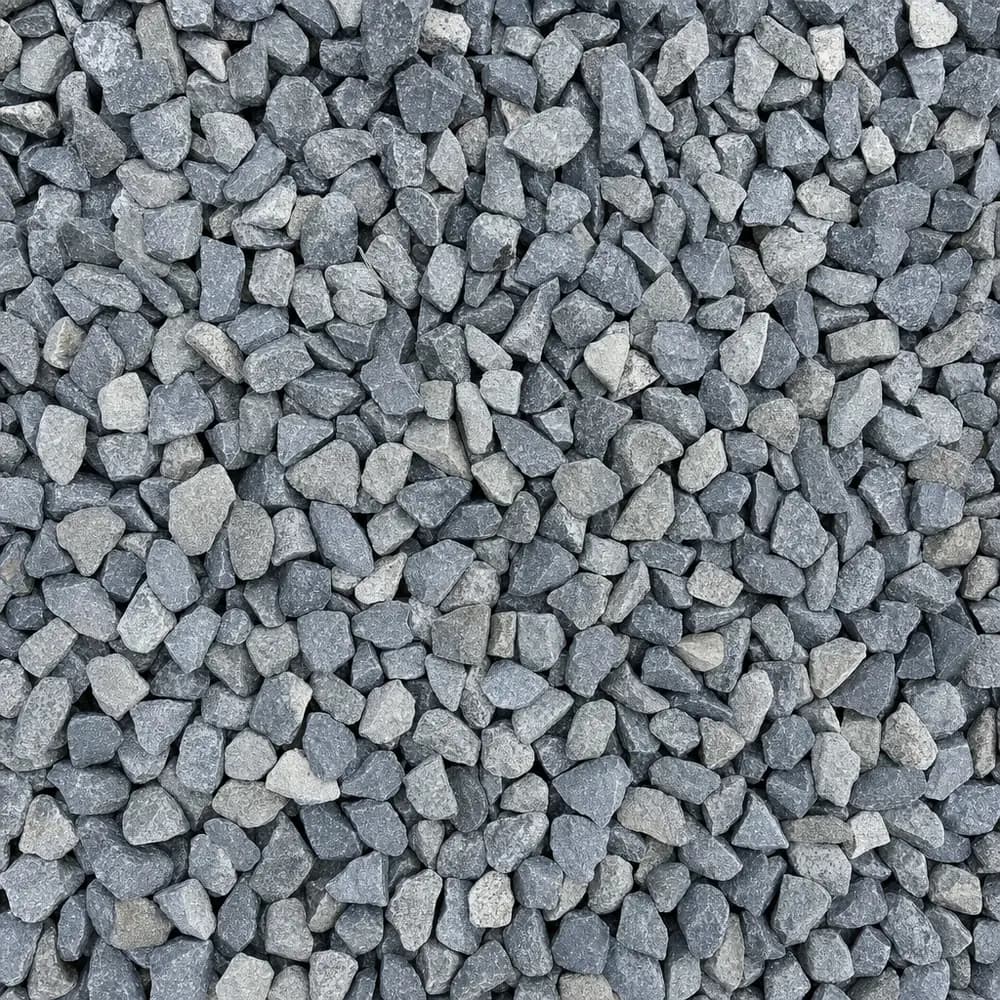
Driveway Gravel
From 1 Ton Delivered, FREE to your Doorstep
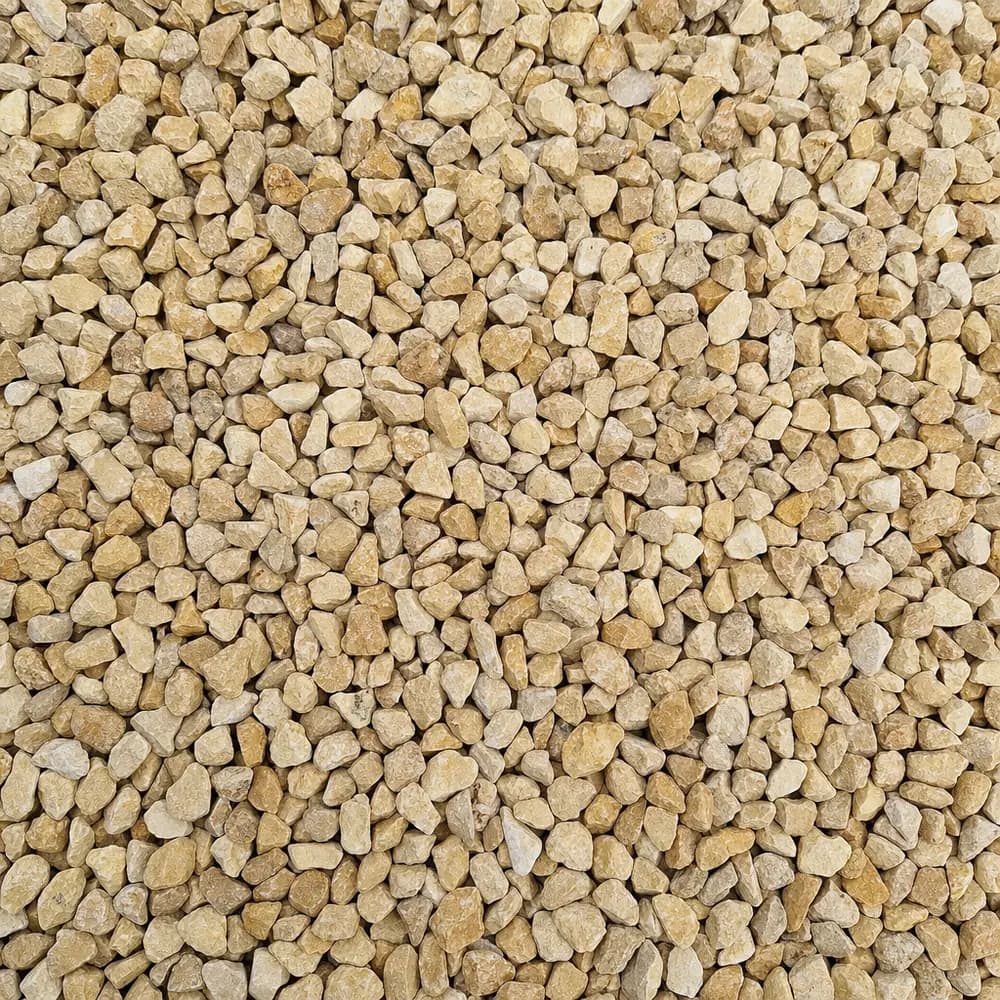
Walkway Gravel
From 1 Ton Delivered, FREE to your Doorstep
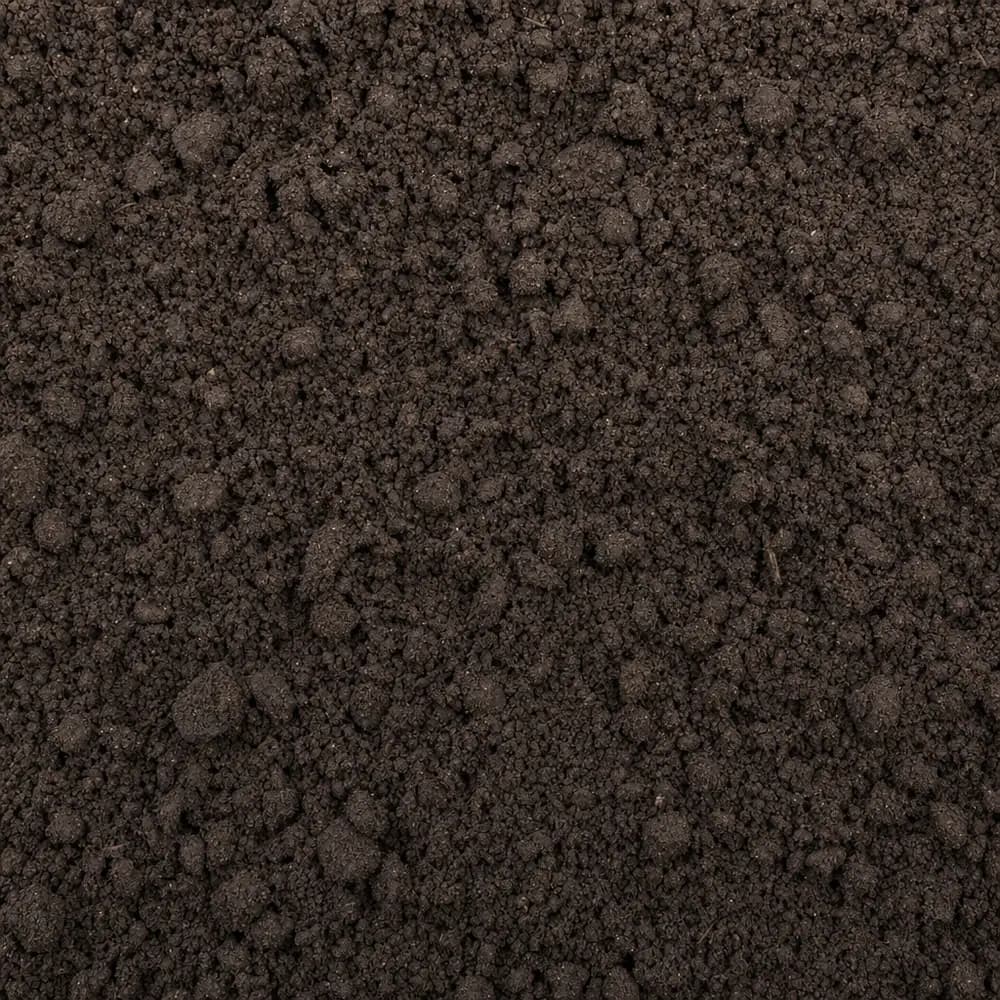
Top Soil
From 1 Ton Delivered, FREE to your Doorstep
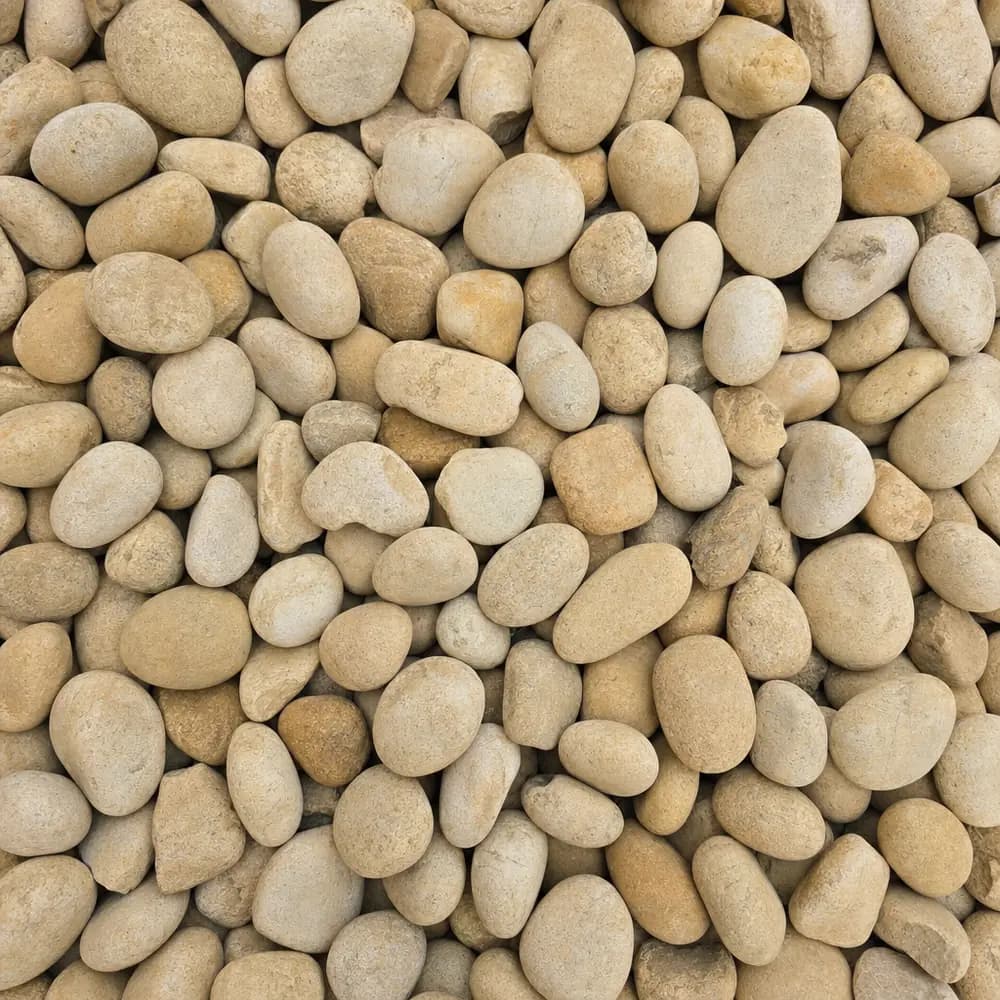
River Rock
From 1 Ton Delivered, FREE to your Doorstep
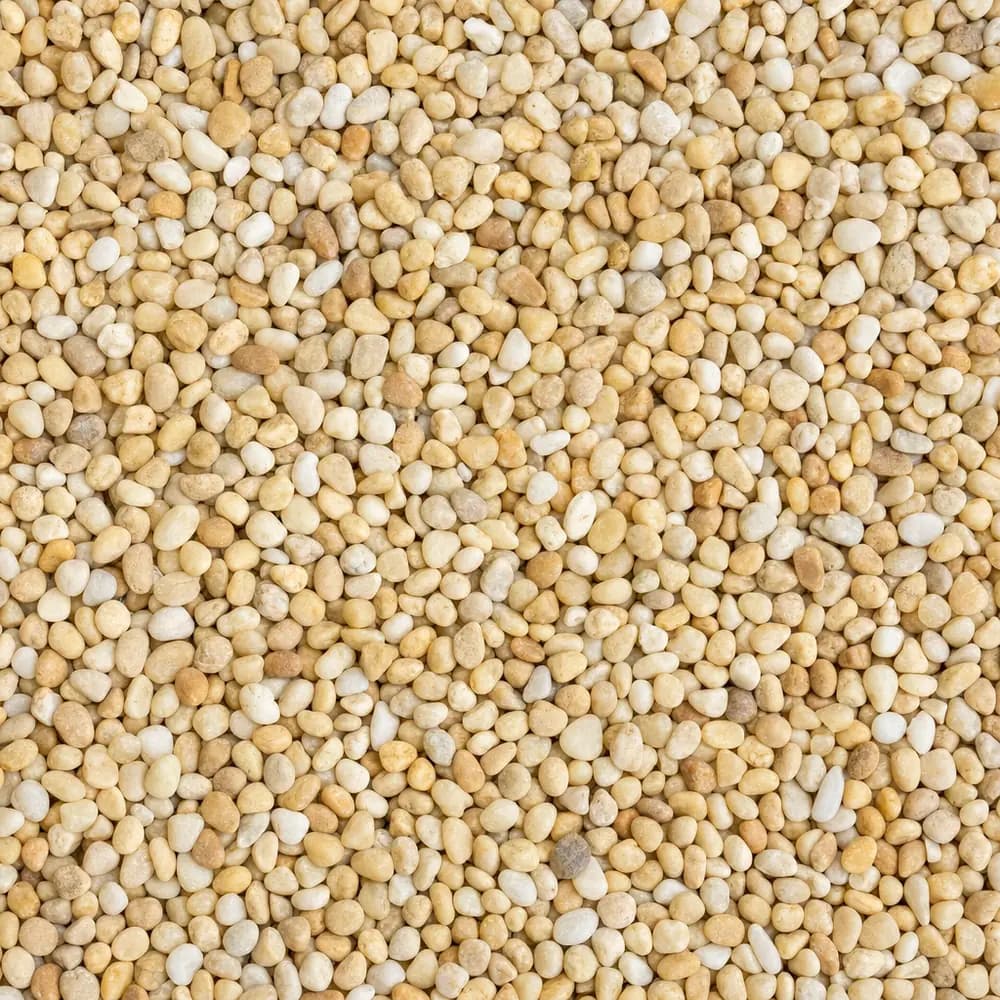
3/8" Natural Pea Gravel
From 1 Ton Delivered, FREE to your Doorstep
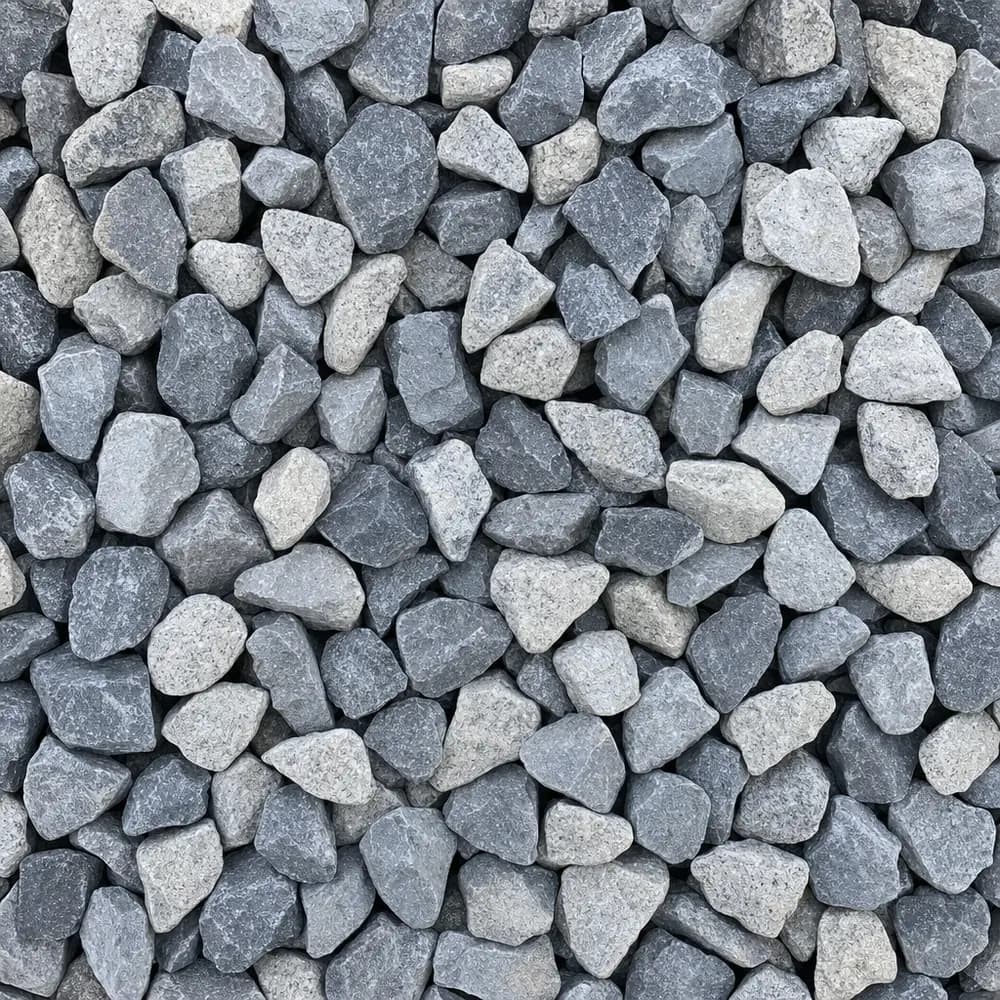
#57 Stone
From 1 Ton Delivered, FREE to your Doorstep
Frequently Asked Questions
Common questions about gravel and aggregate delivery in New Mexico
What is base course and what is it used for in New Mexico?
Base course is what New Mexico calls road base. It goes under driveways, parking pads, and slab and shed bases.
How deep should a gravel driveway base be in New Mexico?
New Mexico sets a 12 inch statewide minimum depth for exterior footings and leaves the frost line to each jurisdiction, ranging from about 6 inches in Las Cruces and 16 inches in Albuquerque up to roughly 24 inches around Santa Fe and Farmington. That figure is a footing depth set by the building official, not a gravel base depth. Your local building official sets the figure for your site.
How much gravel do I need for my project?
Each product page has a calculator. Set your quantity by the ton or by the yard, then pick a delivery date at checkout. The calculator is there to help you size the load before you order.
Counties We Serve in New Mexico
- Bernalillo County
- Catron County
- Chaves County
- Cibola County
- Colfax County
- Curry County
- De Baca County
- Dona Ana County
- Eddy County
- Grant County
- Guadalupe County
- Harding County
- Hidalgo County
- Lea County
- Lincoln County
- Los Alamos County
- Luna County
- McKinley County
- Mora County
- Otero County
- Quay County
- Rio Arriba County
- Roosevelt County
- San Juan County
- San Miguel County
- Sandoval County
- Santa Fe County
- Sierra County
- Socorro County
- Taos County
- Torrance County
- Union County
- Valencia County
Largest Cities We Serve in New Mexico
Every City We Deliver To in New Mexico
241 cities and towns, A to Z.
- Abiquiu, NM
- Alamogordo, NM
- Albuquerque, NM
- Algodones, NM
- Alto, NM
- Amistad, NM
- Animas, NM
- Anthony, NM
- Anton Chico, NM
- Aragon, NM
- Arenas Valley, NM
- Arrey, NM
- Artesia, NM
- Aztec, NM
- Bard, NM
- Bayard, NM
- Belen, NM
- Bent, NM
- Bernalillo, NM
- Blanco, NM
- Bloomfield, NM
- Bluewater, NM
- Bosque, NM
- Bosque Farms, NM
- Broadview, NM
- Buckhorn, NM
- Caballo, NM
- Canones, NM
- Capitan, NM
- Caprock, NM
- Capulin, NM
- Carlsbad, NM
- Carrizozo, NM
- Causey, NM
- Cedar Crest, NM
- Cedarvale, NM
- Cerrillos, NM
- Chacon, NM
- Chama, NM
- Chamisal, NM
- Chaparral, NM
- Chimayo, NM
- Cimarron, NM
- Clayton, NM
- Cleveland, NM
- Cloudcroft, NM
- Clovis, NM
- Cochiti Lake, NM
- Continental Divide, NM
- Corona, NM
- Corrales, NM
- Coyote, NM
- Crossroads, NM
- Cuba, NM
- Cubero, NM
- Cuervo, NM
- Datil, NM
- Deming, NM
- Derry, NM
- Des Moines, NM
- Dexter, NM
- Dulce, NM
- Eagle Nest, NM
- Edgewood, NM
- El Prado, NM
- El Rito, NM
- Elida, NM
- Embudo, NM
- Encino, NM
- Espanola, NM
- Estancia, NM
- Farmington, NM
- Faywood, NM
- Fence Lake, NM
- Flora Vista, NM
- Floyd, NM
- Folsom, NM
- Fort Sumner, NM
- Fruitland, NM
- Gallina, NM
- Gallup, NM
- Gamerco, NM
- Garfield, NM
- Garita, NM
- Gladstone, NM
- Glencoe, NM
- Glenwood, NM
- Glorieta, NM
- Grady, NM
- Grants, NM
- Grenville, NM
- Guadalupita, NM
- Hagerman, NM
- Hanover, NM
- Hatch, NM
- Hernandez, NM
- Hillsboro, NM
- Hobbs, NM
- Holman, NM
- Hondo, NM
- Hope, NM
- House, NM
- Hurley, NM
- Jal, NM
- Jarales, NM
- Jemez Pueblo, NM
- Jemez Springs, NM
- Kirtland, NM
- La Jara, NM
- La Joya, NM
- La Loma, NM
- La Luz, NM
- La Madera, NM
- La Mesa, NM
- La Plata, NM
- Laguna, NM
- Lake Arthur, NM
- Lamy, NM
- Las Cruces, NM
- Las Vegas, NM
- Lemitar, NM
- Lindrith, NM
- Lingo, NM
- Logan, NM
- Lordsburg, NM
- Los Alamos, NM
- Los Lunas, NM
- Los Ojos, NM
- Loving, NM
- Lovington, NM
- Magdalena, NM
- Maljamar, NM
- Maxwell, NM
- Mayhill, NM
- McAlister, NM
- Melrose, NM
- Mescalero, NM
- Mesilla Park, NM
- Mesquite, NM
- Miami, NM
- Mills, NM
- Milnesand, NM
- Mimbres, NM
- Montezuma, NM
- Monticello, NM
- Monument, NM
- Mora, NM
- Moriarty, NM
- Mosquero, NM
- Mountainair, NM
- Nara Visa, NM
- Navajo Dam, NM
- Newkirk, NM
- Nogal, NM
- Ocate, NM
- Ohkay Owingeh, NM
- Ojo Caliente, NM
- Ojo Feliz, NM
- Pecos, NM
- Pena Blanca, NM
- Penasco, NM
- Pep, NM
- Peralta, NM
- Pie Town, NM
- Pinon, NM
- Placitas, NM
- Polvadera, NM
- Ponderosa, NM
- Portales, NM
- Prewitt, NM
- Quay, NM
- Quemado, NM
- Questa, NM
- Ramah, NM
- Ranchos De Taos, NM
- Raton, NM
- Regina, NM
- Reserve, NM
- Ribera, NM
- Rincon, NM
- Rio Rancho, NM
- Rociada, NM
- Rogers, NM
- Roswell, NM
- Roy, NM
- Ruidoso, NM
- Ruidoso Downs, NM
- Sacramento, NM
- Salem, NM
- San Acacia, NM
- San Antonio, NM
- San Jon, NM
- San Jose, NM
- San Patricio, NM
- San Ysidro, NM
- Sandia Park, NM
- Santa Cruz, NM
- Santa Fe, NM
- Santa Rosa, NM
- Santa Teresa, NM
- Santo Domingo Pueblo, NM
- Sapello, NM
- Sedan, NM
- Shiprock, NM
- Silver City, NM
- Socorro, NM
- Solano, NM
- Springer, NM
- St Vrain, NM
- Stanley, NM
- Sunland Park, NM
- Taiban, NM
- Taos, NM
- Tatum, NM
- Tererro, NM
- Texico, NM
- Thoreau, NM
- Tierra Amarilla, NM
- Tijeras, NM
- Tinnie, NM
- Tohatchi, NM
- Trampas, NM
- Trementina, NM
- Truth Or Consequences, NM
- Tucumcari, NM
- Tularosa, NM
- Vadito, NM
- Vado, NM
- Valdez, NM
- Vallecitos, NM
- Valmora, NM
- Veguita, NM
- Wagon Mound, NM
- Waterflow, NM
- Weed, NM
- White Sands Missile Range, NM
- Willard, NM
- Williamsburg, NM
- Winston, NM
- Yeso, NM
- Youngsville, NM
New Mexico Cities A to Z
241 cities and towns, listed alphabetically across 2 pages.