Fill Dirt in New Mexico
Contractors use Fill Dirt early in New Mexico site work to raise a low area, backfill an excavation, and set drainage contours before finishes go in.
- Size: Screened to remove large rocks, roots and debris
- Grading: Minimal organic matter
From $254 for 1 ton, delivery included (larger loads cost significantly less per ton)
Free delivery included
Free delivery anywhere in New Mexico
Pick a delivery date
Weekday delivery, earliest Nov 3
Get a Free Quote
Fill out the form and our sales team will get back to you within the hour.
Everything You Need to Know About Fill Dirt
Size and Grading
- Size
- Screened to remove large rocks, roots and debris
- Grading
- Minimal organic matter
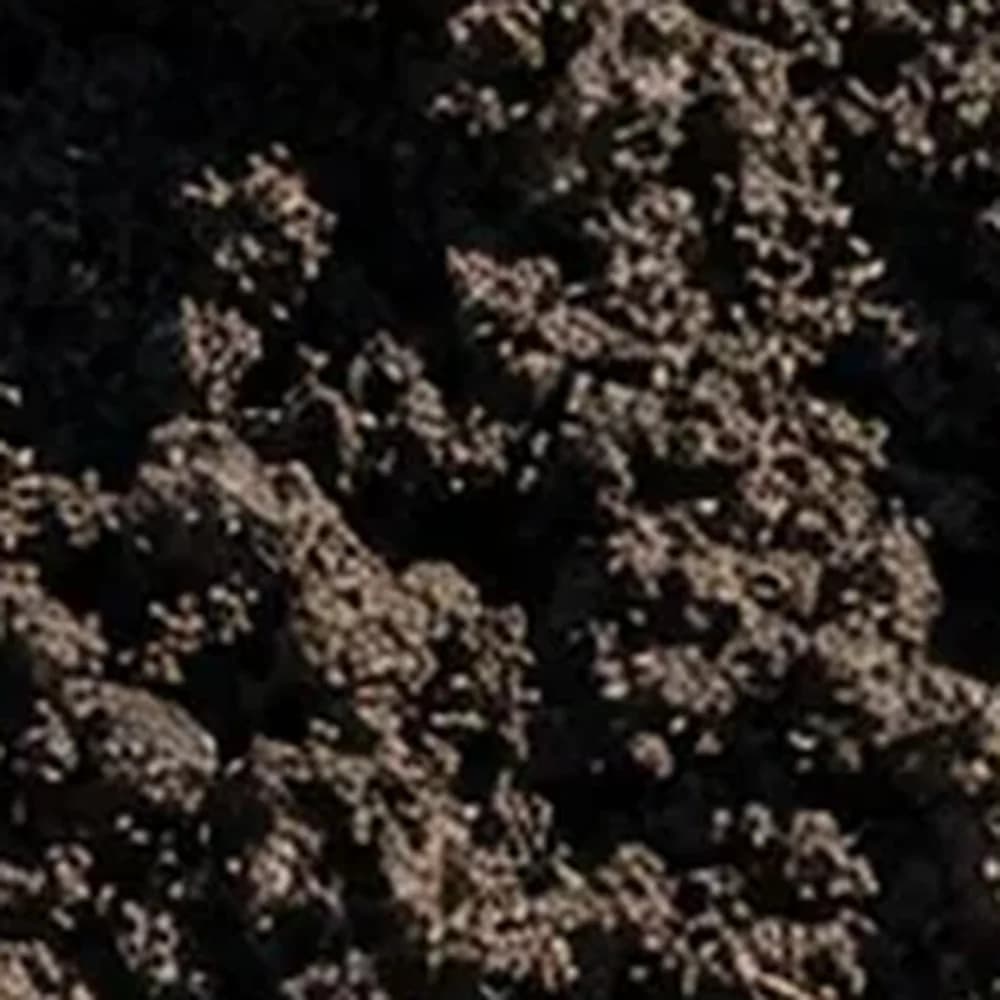
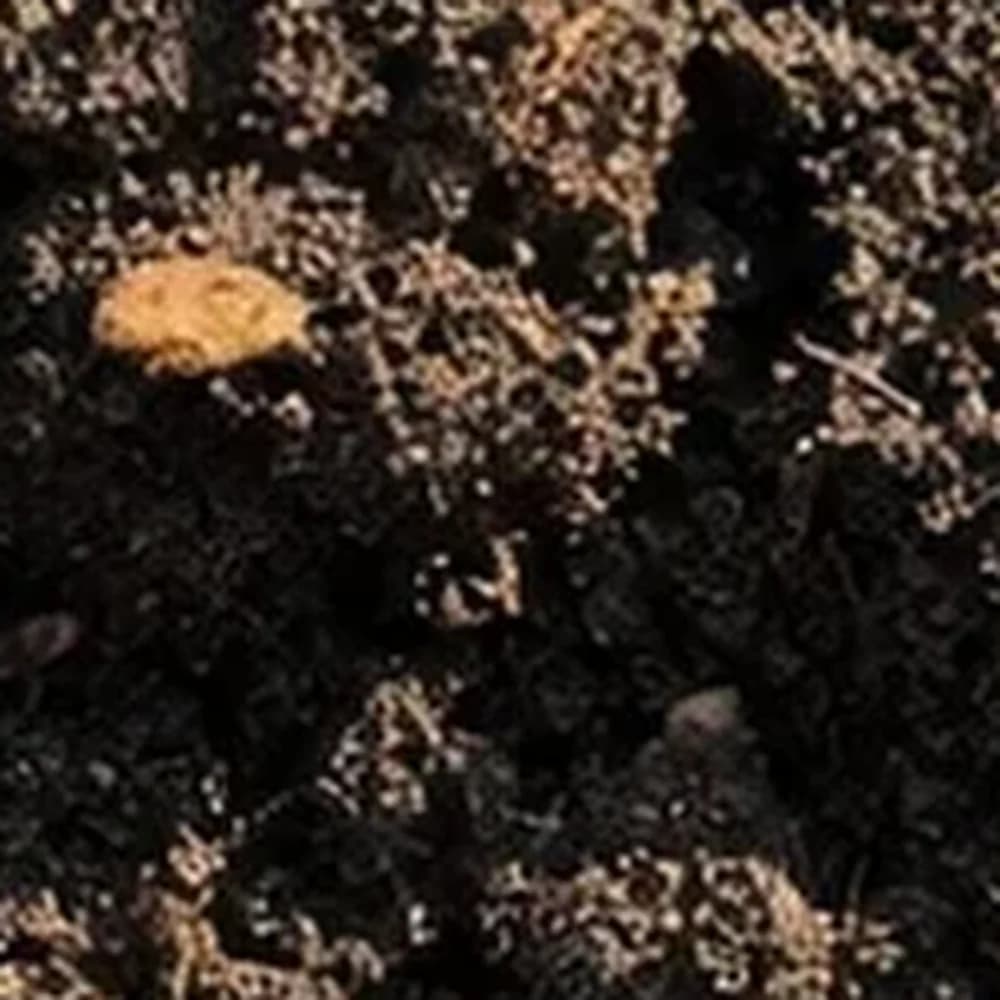
At the rough-grading stage, Fill Dirt belongs below the finished landscape, patio base, or other later site layer. It supplies mineral soil for raising grade, filling broad voids, and returning material around an excavation after construction work. Because it contains little organic matter, it is appropriate where the ground needs to remain stable under overlying soil or site materials. It is not intended to replace the growing medium needed at the surface of a planted area.
New Mexico caliche hardpan can send monsoon runoff across the ground instead of letting it soak straight down. This makes the planned contour important around yards and construction areas, particularly near arroyos. Place and compact Fill Dirt in layers while maintaining a slope that carries runoff away from the graded section, and keep the planned grade out of an arroyo flow line. Where landscaping will be installed, finish the fill with topsoil before planting so roots have a more suitable medium.
Quickly Calculate How Much You Need
Material: Fill Dirt
How to Measure
Measure the length and width of your project area in feet
Decide on depth in inches (2" for landscaping, 4" for driveways)
Enter the values above and we'll calculate the tonnage you need
Need help figuring out the right amount? We can help!
Call or text us at (505) 240-8790 and we'll help you calculate the right quantity for your project.
Not sure how much you need? The Dirt Calculator has depth guides, coverage charts and worked examples for this material.
Common Uses
Site Grading & Preparation
Use fill dirt to set grades at building sites, new residential lots, and commercial work areas. It forms the slopes and contours needed to manage drainage, locate structures, and lay out landscaping. In monsoon conditions, shape the base to shed water rather than sending it toward the flow line.
Backfill at Foundations
Use compactable fill dirt around foundation walls, retaining walls, and below-grade work. Since it contains little organic material, it is less prone to the decomposition and settlement found in organic soils, providing support for these areas over time.
Raising Low Areas
Raise spots where water gathers, mud develops, or drainage is poor. Bringing up the grade guides runoff away from structures and occupied spaces to address recurring moisture problems.
Filling Holes and Voids
Use bulk fill dirt to fill abandoned swimming pools, old basements, deep holes, and excavation voids. When compacted, the material forms a stable subbase for later work, including construction or lawn installation.
Why Choose Fill Dirt
Bulk Fill for Large Projects
Choose fill dirt for high-volume grading and fill projects that do not need topsoil-grade material. It is suited to building up grades and completing general fill work.
Compacts Firmly
Fill dirt's mineral content allows the material to compact and helps limit settlement over time. This makes it suitable below structures, pavements, and soil layers where subsidence is a concern.
Grade Stability
With very little organic material, fill dirt avoids the decay and shrinkage associated with organic soils. That helps the grade installed for the job remain stable over the project's life.
Site Preparation Material
Fill dirt can be used for rough grading, backfill, and void filling during earthwork preparation. It creates the underlying base for later construction or landscape work.
Frequently Asked Questions About Fill Dirt
Fill Dirt delivery across New Mexico
- Albuquerque
- Las Cruces
- Rio Rancho
- Santa Fe
- Roswell
- Farmington
- Hobbs
- Clovis
- Carlsbad
- Alamogordo
- Gallup
- Los Lunas